
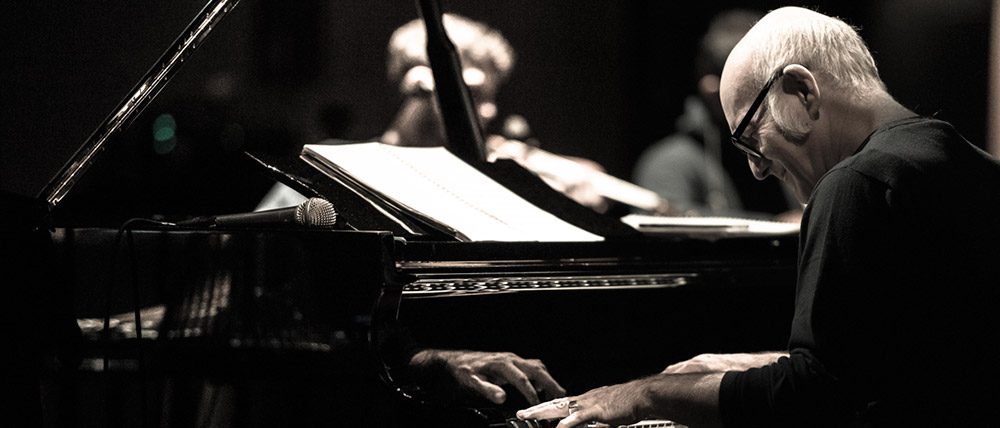
Ludovico Einaudi Shop: Can a Solo Composer Fuel a Band's Sound?
Ludovico Einaudi’s ambient piano pieces have captivated listeners worldwide, but what happens when a solo composer’s work steps off the keyboard and into the realm of a full band? The question—Can a Solo Composer Fuel a Band’s Sound?—is more than a curiosity; it’s a gateway to exploring how one artist’s vision can inspire collective creation. In this post we’ll unpack the dynamics of translating Einaudi’s minimalist textures into richer, collaborative arrangements, spotlight how the Ludovico Einaudi Shop provides the tools for this transformation, and consider real‑world examples that illustrate the power of a solo voice shaping a band’s identity.
The Solo Composer Phenomenon
Solo composers often rely on a single instrument to convey emotion, using space and nuance as their primary language. Einaudi, for instance, crafts delicate melodies that breathe on the piano, allowing each note to resonate fully. This approach creates a strong, intimate connection with listeners, but it also leaves room for expansion. When other musicians join the conversation, they can add layers, counter‑melodies, and rhythmic depth that complement the original material while preserving its essence.
One key advantage of a solo composer entering a band context is the clear, unambiguous foundation they provide. The melodies are already fully formed, giving other players a reliable anchor. This reduces the risk of creative clashes and streamlines the arranging process, allowing the band to focus on enhancing the emotional core rather than reinventing it from scratch.
However, there are challenges too. Translating a piece designed for solo piano into a multi‑instrument setting can risk diluting its intimacy. Careful orchestration and respect for the original dynamics are essential. Musicians must ask themselves: what elements can be amplified, and which should remain delicate?
From Piano to Full Band
Adapting Einaudi’s music for a band involves thoughtful decisions about instrumentation. Strings can echo the piano’s lyrical lines, while subtle percussion adds a pulse without overwhelming the calm. Bass guitars provide grounding, reinforcing the harmonic progressions that are central to Einaudi’s style. When done right, these additions create a richer tapestry that enhances the listening experience.
Dynamics play a crucial role. A solo piano piece may gradually build through subtle shifts in touch; a band can achieve similar tension using crescendos, layered harmonies, and gradual textural changes. Yet the arrangement must preserve the contemplative mood that makes Einaudi’s work distinctive.
Technology also offers new avenues. Loop stations, digital effects, and synth pads can replicate ambient sounds found in Einaudi’s recordings, allowing a band to integrate modern textures while staying true to the composer’s aesthetic.
How the Ludovico Einaudi Shop Supports Musicians
The Ludovico Einaudi Shop is more than a merchandise outlet; it serves as a hub for musicians seeking authentic resources. The shop offers sheet music that isolates each piano line, making it easier for arrangers to dissect and re‑imagine the pieces for different instruments. Additionally, specially curated sound libraries provide ambient loops and piano samples that capture the subtle resonances of Einaudi’s recordings.
These tools dramatically reduce the time needed to create high‑quality arrangements. With accurate transcriptions and ready‑to‑use audio textures, band members can focus on creative decisions rather than technical transcription work. The shop also features instructional videos where Einaudi explains his compositional process, offering invaluable insight into the emotional intent behind each phrase.
Beyond materials, the Ludovico Einaudi Shop fosters a community of artists who share their own adaptations and performances. This collaborative environment encourages experimentation, allowing solo compositions to evolve organically within a band setting.
Real‑World Examples and Future Possibilities
Several contemporary ensembles have successfully integrated Einaudi’s music into their repertoires. A notable example is a string quartet that re‑interpreted “Nuvole Bianche,” adding a subtle rhythm section that retained the piece’s reflective nature while giving it a cinematic quality suitable for film scores. Another case involves an indie folk band that used Einaudi’s “Una Mattina” as a foundation, layering acoustic guitars and vocal harmonies to produce a fresh, yet familiar, soundscape.
These adaptations demonstrate that a solo composer’s voice can act as a catalyst for broader artistic expression. As technology advances and more musicians gain access to high‑quality resources like those found in the Ludovico Einaudi Shop, we can expect even more innovative cross‑genre collaborations. Imagine a jazz ensemble improvising over Einaudi’s minimalist motifs, or an electronic DJ remixing his piano themes with pulsating beats—each scenario underscores the limitless potential of a solo composer fueling a band’s sound.
Looking ahead, educational institutions may incorporate Einaudi’s works into ensemble curricula, teaching students how to arrange solo pieces for larger groups. Such initiatives would not only preserve the composer’s legacy but also nurture the next generation of musicians skilled in collaborative adaptation.
Conclusion: The Future of Collaborative Sound
Can a solo composer fuel a band’s sound? The answer is a resounding yes, provided that the transition respects the original’s emotional core and leverages the strengths of each instrument. Through careful arrangement, thoughtful dynamics, and the support of resources like the Ludovico Einaudi Shop, musicians can transform intimate piano works into expansive, multilateral experiences.
The synergy between solo compositional purity and collective musical power opens new artistic pathways. As more artists explore this intersection, audiences will enjoy richer, more nuanced performances that honor the spirit of Einaudi’s music while inviting fresh, collaborative interpretations.